Buy smart-parking.eu ?
We are moving the project
smart-parking.eu .
Are you interested in purchasing the domain
smart-parking.eu ?
domain@kv-gmbh.de · 0541-91531010
Buy smart-parking.eu ?
What are microorganisms?
Microorganisms are tiny living organisms that are too small to be seen with the naked eye. They include bacteria, viruses, fungi, and protists. Microorganisms can be found in almost every environment on Earth, including soil, water, and the human body. While some microorganisms can cause disease, many are beneficial and play important roles in processes such as decomposition, nutrient cycling, and food production. **
How do microorganisms reproduce?
Microorganisms reproduce through a process called binary fission, where a single cell divides into two identical daughter cells. This process allows microorganisms to rapidly increase in number. Some microorganisms, like bacteria, can also reproduce through conjugation, where genetic material is exchanged between two cells. Overall, microorganisms have various methods of reproduction that allow them to adapt and thrive in different environments. **
Similar search terms for Microorganisms
Top-Angebote
Products related to Microorganisms:
-
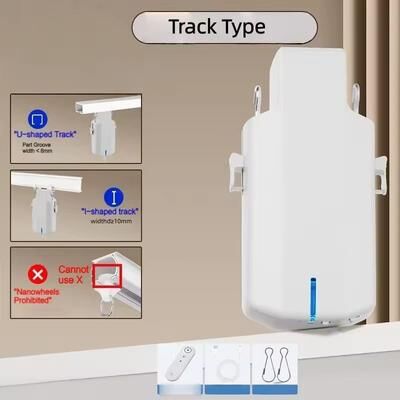
Uplift Essentials Smart Automatic Curtain Robot Opener For Remote Controlled Home Automation track TypeTransform your mornings and evenings with the effortless comfort of a smarter home. This automatic curtain opener turns your existing curtains into a modern handsfree system in seconds, making it perfect for busy homeowners, renters, and smart home...127,97 $*Shipping: 0,00 $Secure redirect to the provider
-
Tapo T110 Smart Door & Window Alarm Sensor – Real-Time Alerts, Smart Home Automation, Works with Alexa & Google HomeOverview Enhance your home security with the Tapo T110 Smart Door and Window Alarm Sensor . With real-time monitoring and instant push notifications, this smart sensor helps you stay aware of door or window activity — no matter where you are. Compatible with Tapo devices , Alexa , and Google Home , it’s an essential part of any modern smart home. Product Description The Tapo T110 Smart Door Alarm Sensor offers a simple, effective way to protect your home. It sends instant alerts to your phone when doors or windows are opened, and integrates seamlessly with your Tapo smart ecosystem . Whether you're at home or away, you'll have peace of mind knowing your home is being monitored. With easy installation, battery included , and smart automation features , it's a perfect starter or addition to your home security setup. Key Features Real-Time Monitoring: Get immediate notifications when a door or window is opened. Smart Home Integration: Works with Tapo devices , Amazon Alexa , and Google Home . Instant Push Notifications: Stay informed of any unexpected activity via the Tapo app. Smart Automation: Create custom routines, such as turning on lights when a door opens. Easy Installation: No wiring required—mount with adhesive or screws. Battery Included: Ready to go out of the box. Compact, Discreet Design: Blends seamlessly with your home décor.14,99 £*Shipping: 0,00 £Secure redirect to the provider
-
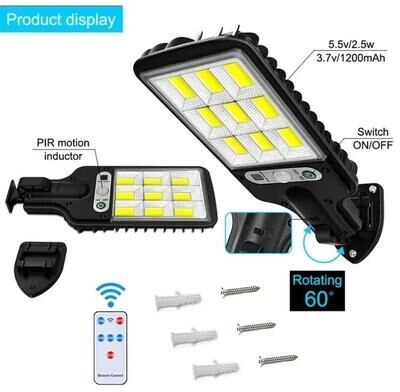
Uplift Picks Solar Motion Sensor Wall Light For Bright Outdoor Security And Convenience aMake dark entrances and outdoor areas easier to see without complicated wiring. This solar motion sensor light delivers up to 8000 lumens of illumination while using sunlight for everyday charging. Designed as an outdoor solar wall light, it...56,49 $*Shipping: 0,00 $Secure redirect to the provider
-
Smart Shopping Spot Falling Sticks Catch Toy, Sensory Integration Training, Reflex Challenge dark BlueEngage and Challenge Your Reflexes The Catch Sticks Game is a perfect blend of fun and skillbuilding, ideal for those looking to enhance their reaction training and reflex abilities. The game requires quick thinking and fast reflexes to catch...39,97 $*Shipping: 0,00 $Secure redirect to the provider


-
Can microorganisms pass through materials?
Yes, microorganisms can pass through materials depending on their size and the porosity of the material. Some microorganisms are small enough to pass through tiny openings in materials like fabrics, filters, or even some types of plastics. This is why it is important to use materials that are specifically designed to block the passage of microorganisms in certain applications, such as in medical settings or food processing. **
-
Do microorganisms die in acid?
Yes, many microorganisms can die in acidic conditions. Acidic environments can disrupt the cell membranes and denature the proteins of microorganisms, leading to their death. However, some microorganisms, suchjson as acidophilic bacteria, are able to survive and even thrive in acidic conditions. These acidophilic microorganisms have evolved mechanisms to maintain their internal pH and protect their cellular structures from the damaging effects of acidity. **
-
What are the smallest microorganisms?
The smallest microorganisms are bacteria and archaea. These single-celled organisms are so tiny that they can only be seen under a microscope. Some bacteria and archaea are as small as 0.2 micrometers in diameter, making them the smallest known living organisms. Despite their small size, bacteria and archaea play crucial roles in various ecosystems and are essential for many biochemical processes. **
-
Why do microorganisms spoil food?
Microorganisms spoil food because they use the nutrients in the food as a source of energy and growth. Bacteria, molds, and yeasts are the main culprits of food spoilage, and they thrive in the right conditions of moisture, warmth, and pH levels. As they grow and reproduce, they produce enzymes and waste products that break down the food's proteins, fats, and carbohydrates, leading to changes in texture, color, flavor, and odor. This ultimately makes the food unpalatable and unsafe to eat. **
What do microorganisms need to reproduce?
Microorganisms need a suitable environment with the right temperature, pH level, and nutrients to reproduce. They also require moisture and oxygen to carry out their metabolic processes and grow. Additionally, some microorganisms may need specific conditions such as light or darkness to reproduce successfully. Overall, providing the necessary environmental conditions is crucial for the reproduction of microorganisms. **
What types of microorganisms could arise?
Various types of microorganisms could arise, including bacteria, viruses, fungi, and protists. These microorganisms could be pathogenic, causing diseases in humans, animals, or plants, or they could be beneficial, such as those involved in nutrient cycling, decomposition, or symbiotic relationships. The specific types of microorganisms that arise would depend on the environmental conditions, available resources, and interactions with other organisms. Additionally, genetic mutations and horizontal gene transfer could contribute to the emergence of new microorganism variants. **
Top-Angebote
Products related to Microorganisms:
-
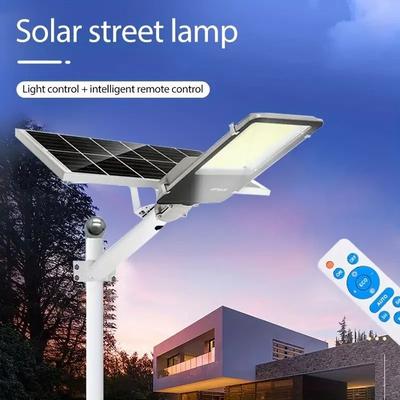
Uplift Picks Solar Street Light For Commercial Parking Lots Security And Outdoor Illumination Solar Street Light For Commercial Parking Lots Security And Outdoor IlluminationKeep large outdoor areas visible after sunset without relying on wired electricity. This solar street light uses an 8000mAh battery to support dependable outdoor illumination. Designed as a commercial solar light, it is well suited to spaces where...535,00 $*Shipping: 0,00 $Secure redirect to the provider
-
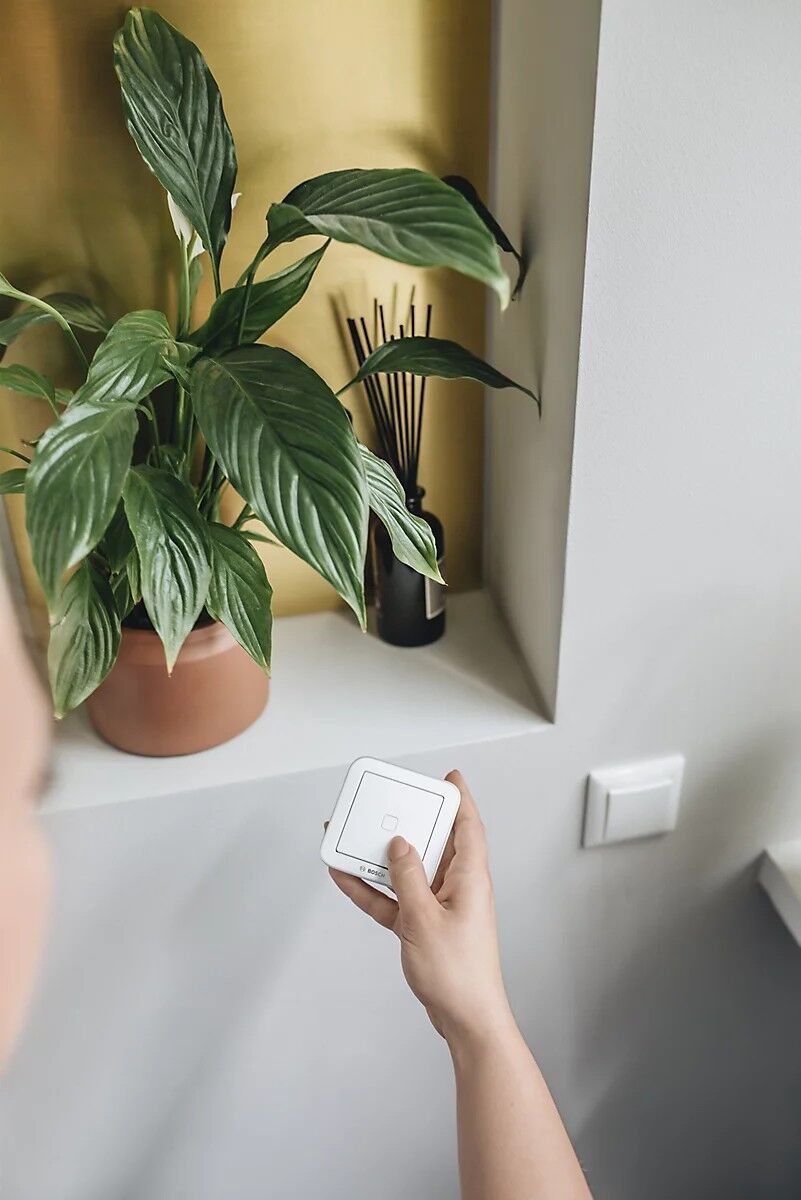
Bosch Smart Home Universal Switch Flex White Matt Slim Automation SwitchDescription Control your smart home devices with ease using the Bosch Smart Home Universal Switch Flex in White Matt. Designed for convenient automation and flexible placement, this slim wireless switch allows you to control connected Bosch Smart Home devices with a simple press. Featuring a modern raised slim profile and screwless design, the Universal Switch Flex blends seamlessly into any home interior. With wireless communication technology and low power consumption, it provides a reliable and practical solution for smart home control without the need for complex wiring. Ideal for lighting control, automation routines, and smart home scenarios, the Bosch Smart Home Universal Switch Flex offers a simple way to make everyday tasks more convenient.40,99 £*Shipping: 0,00 £Secure redirect to the provider
-
Uplift Essentials Smart Automatic Curtain Robot Opener For Remote Controlled Home Automation track TypeTransform your mornings and evenings with the effortless comfort of a smarter home. This automatic curtain opener turns your existing curtains into a modern handsfree system in seconds, making it perfect for busy homeowners, renters, and smart home...127,97 $*Shipping: 0,00 $Secure redirect to the provider
-
Tapo T110 Smart Door & Window Alarm Sensor – Real-Time Alerts, Smart Home Automation, Works with Alexa & Google HomeOverview Enhance your home security with the Tapo T110 Smart Door and Window Alarm Sensor . With real-time monitoring and instant push notifications, this smart sensor helps you stay aware of door or window activity — no matter where you are. Compatible with Tapo devices , Alexa , and Google Home , it’s an essential part of any modern smart home. Product Description The Tapo T110 Smart Door Alarm Sensor offers a simple, effective way to protect your home. It sends instant alerts to your phone when doors or windows are opened, and integrates seamlessly with your Tapo smart ecosystem . Whether you're at home or away, you'll have peace of mind knowing your home is being monitored. With easy installation, battery included , and smart automation features , it's a perfect starter or addition to your home security setup. Key Features Real-Time Monitoring: Get immediate notifications when a door or window is opened. Smart Home Integration: Works with Tapo devices , Amazon Alexa , and Google Home . Instant Push Notifications: Stay informed of any unexpected activity via the Tapo app. Smart Automation: Create custom routines, such as turning on lights when a door opens. Easy Installation: No wiring required—mount with adhesive or screws. Battery Included: Ready to go out of the box. Compact, Discreet Design: Blends seamlessly with your home décor.14,99 £*Shipping: 0,00 £Secure redirect to the provider
-
What are microorganisms?
Microorganisms are tiny living organisms that are too small to be seen with the naked eye. They include bacteria, viruses, fungi, and protists. Microorganisms can be found in almost every environment on Earth, including soil, water, and the human body. While some microorganisms can cause disease, many are beneficial and play important roles in processes such as decomposition, nutrient cycling, and food production. **
-
How do microorganisms reproduce?
Microorganisms reproduce through a process called binary fission, where a single cell divides into two identical daughter cells. This process allows microorganisms to rapidly increase in number. Some microorganisms, like bacteria, can also reproduce through conjugation, where genetic material is exchanged between two cells. Overall, microorganisms have various methods of reproduction that allow them to adapt and thrive in different environments. **
-
Can microorganisms pass through materials?
Yes, microorganisms can pass through materials depending on their size and the porosity of the material. Some microorganisms are small enough to pass through tiny openings in materials like fabrics, filters, or even some types of plastics. This is why it is important to use materials that are specifically designed to block the passage of microorganisms in certain applications, such as in medical settings or food processing. **
-
Do microorganisms die in acid?
Yes, many microorganisms can die in acidic conditions. Acidic environments can disrupt the cell membranes and denature the proteins of microorganisms, leading to their death. However, some microorganisms, suchjson as acidophilic bacteria, are able to survive and even thrive in acidic conditions. These acidophilic microorganisms have evolved mechanisms to maintain their internal pH and protect their cellular structures from the damaging effects of acidity. **
Similar search terms for Microorganisms
-
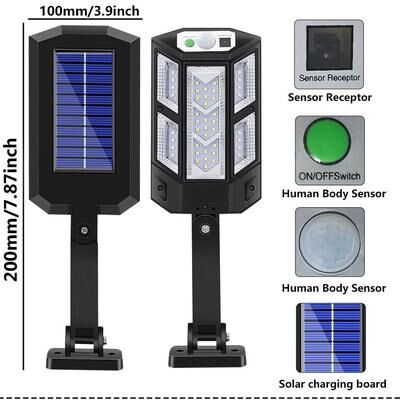
Uplift Picks Solar Motion Sensor Wall Light For Bright Outdoor Security And Convenience aMake dark entrances and outdoor areas easier to see without complicated wiring. This solar motion sensor light delivers up to 8000 lumens of illumination while using sunlight for everyday charging. Designed as an outdoor solar wall light, it...56,49 $*Shipping: 0,00 $Secure redirect to the provider
-
Smart Shopping Spot Falling Sticks Catch Toy, Sensory Integration Training, Reflex Challenge dark BlueEngage and Challenge Your Reflexes The Catch Sticks Game is a perfect blend of fun and skillbuilding, ideal for those looking to enhance their reaction training and reflex abilities. The game requires quick thinking and fast reflexes to catch...39,97 $*Shipping: 0,00 $Secure redirect to the provider
-
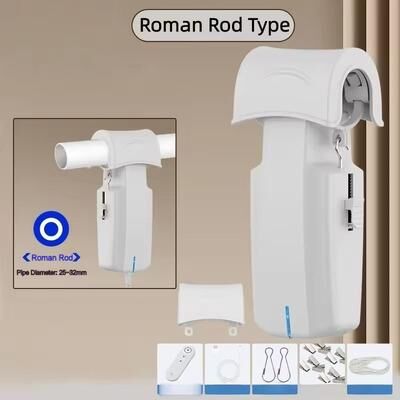
Uplift Essentials Smart Automatic Curtain Robot Opener For Remote Controlled Home Automation rod TypeTransform your mornings and evenings with the effortless comfort of a smarter home. This automatic curtain opener turns your existing curtains into a modern handsfree system in seconds, making it perfect for busy homeowners, renters, and smart home...134,97 $*Shipping: 0,00 $Secure redirect to the provider
-
Uplift Picks Solar Motion Sensor Wall Light For Bright Outdoor Security And Convenience bMake dark entrances and outdoor areas easier to see without complicated wiring. This solar motion sensor light delivers up to 8000 lumens of illumination while using sunlight for everyday charging. Designed as an outdoor solar wall light, it...67,99 $*Shipping: 0,00 $Secure redirect to the provider
-
What are the smallest microorganisms?
The smallest microorganisms are bacteria and archaea. These single-celled organisms are so tiny that they can only be seen under a microscope. Some bacteria and archaea are as small as 0.2 micrometers in diameter, making them the smallest known living organisms. Despite their small size, bacteria and archaea play crucial roles in various ecosystems and are essential for many biochemical processes. **
-
Why do microorganisms spoil food?
Microorganisms spoil food because they use the nutrients in the food as a source of energy and growth. Bacteria, molds, and yeasts are the main culprits of food spoilage, and they thrive in the right conditions of moisture, warmth, and pH levels. As they grow and reproduce, they produce enzymes and waste products that break down the food's proteins, fats, and carbohydrates, leading to changes in texture, color, flavor, and odor. This ultimately makes the food unpalatable and unsafe to eat. **
-
What do microorganisms need to reproduce?
Microorganisms need a suitable environment with the right temperature, pH level, and nutrients to reproduce. They also require moisture and oxygen to carry out their metabolic processes and grow. Additionally, some microorganisms may need specific conditions such as light or darkness to reproduce successfully. Overall, providing the necessary environmental conditions is crucial for the reproduction of microorganisms. **
-
What types of microorganisms could arise?
Various types of microorganisms could arise, including bacteria, viruses, fungi, and protists. These microorganisms could be pathogenic, causing diseases in humans, animals, or plants, or they could be beneficial, such as those involved in nutrient cycling, decomposition, or symbiotic relationships. The specific types of microorganisms that arise would depend on the environmental conditions, available resources, and interactions with other organisms. Additionally, genetic mutations and horizontal gene transfer could contribute to the emergence of new microorganism variants. **
* All prices are inclusive of VAT and, if applicable, plus shipping costs. The offer information is based on the details provided by the respective shop and is updated through automated processes. Real-time updates do not occur, so deviations can occur in individual cases. ** Note: Parts of this content were created by AI.