Buy smart-parking.eu ?
We are moving the project
smart-parking.eu .
Are you interested in purchasing the domain
smart-parking.eu ?
domain@kv-gmbh.de · 0541-91531010
Buy smart-parking.eu ?
What is the Lebanese language?
The Lebanese language is a variety of Arabic that is spoken in Lebanon. It is influenced by other languages such as French, English, and Turkish, due to Lebanon's history of colonization and international influence. Lebanese Arabic has its own unique vocabulary, pronunciation, and expressions that set it apart from other varieties of Arabic. It is the most widely spoken language in Lebanon and is used in everyday communication, media, and literature. **
Are Lebanese people Arabs?
Yes, Lebanese people are considered to be Arabs. The majority of the population in Lebanon is of Arab descent and the official language is Arabic. Additionally, Lebanon is a member of the Arab League and shares many cultural, linguistic, and historical ties with other Arab countries. However, it is important to note that Lebanon is also a diverse country with various ethnic and religious groups, so not all Lebanese people may identify solely as Arab. **


Similar search terms for Phaidon-Press-The-Lebanese
Top-Angebote
Products related to Phaidon-Press-The-Lebanese:
-
Phaidon Press Ltd Thailand The CookbookThailand: The Cookbook is the definitive guide to the food and cooking of Thailand. It includes more than 500 easy-to-follow, authentic recipes collected from the length and breadth of Thailand, including snacks and drinks; soups; salads; curries; stir-fries; noodle and rice dishes; grilled fish and meat dishes; and desserts. The recipes have been extensively researched, tested and fully updated for the western kitchen without diluting any of their authenticity.22,99 £*Shipping: 2,99 £Secure redirect to the provider
-
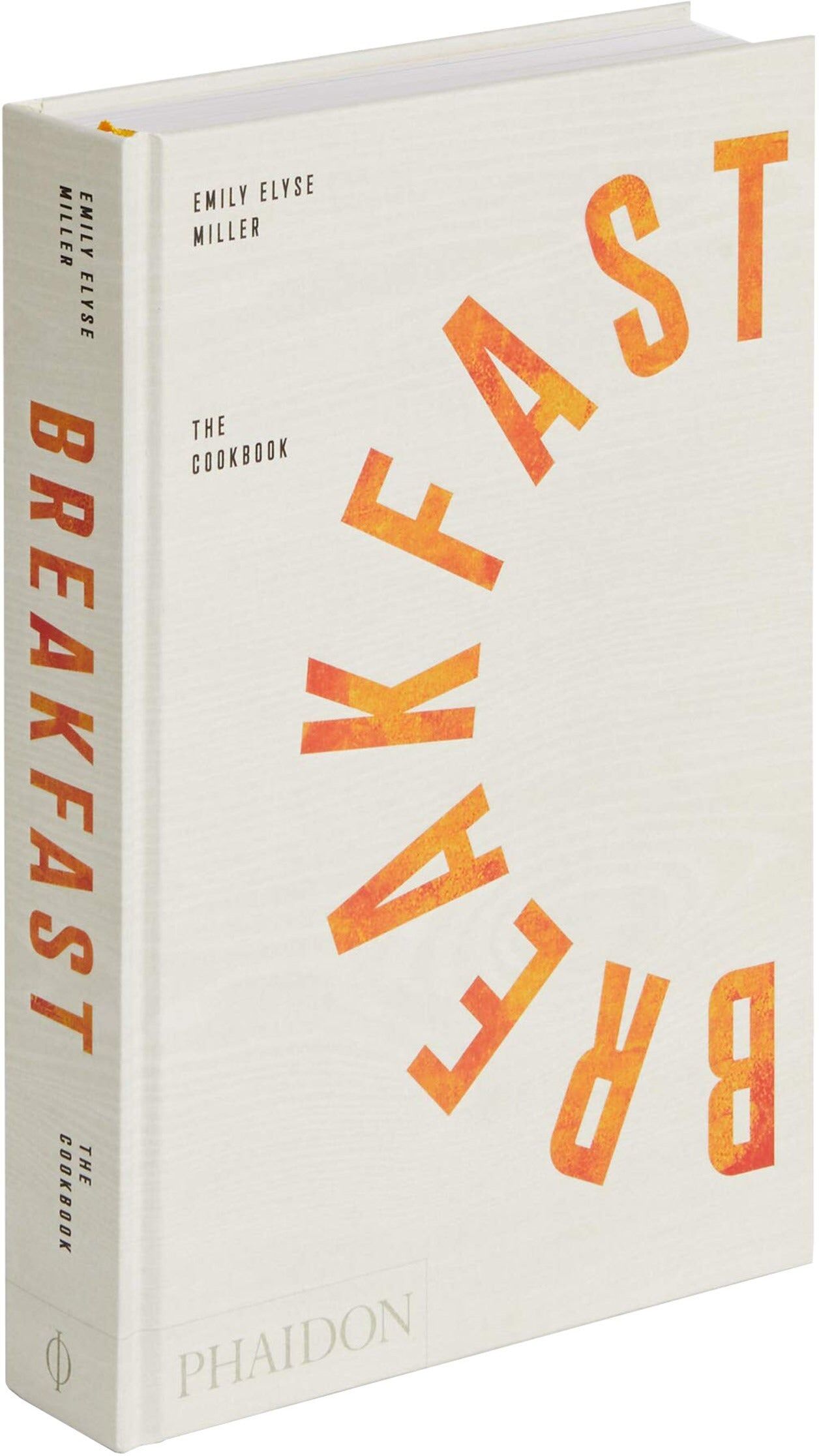
Phaidon Press Ltd Breakfast: The CookbookStart the day with the definitive cookbook of authentic home-cooking breakfast dishes from around the world. Breakfast is the most important – and comforting – time of day for billions of people everywhere. Here, for the first time, a collection of hundreds of home-cooking recipes celebrates morning meals as they're prepared in kitchens across the globe. Each recipe is accessible and straightforward, with notes offering cultural context and culinary insight. Whether it's sweet or not, classic or regional, it's here: Egyptian Ful Medames (stewed fava beans); Mexican Chilaquiles; Chinese Pineapple Buns; American Scones; Scottish Morning Rolls; and so much more. Featuring contributions from Reem Kassis, Bill Granger, Jason Hammel, Stephen Harris, Clotilde Dusoulier, Harumi Kurihara, Meera Sodha, Alvin Cailan, Fredrik Berselius, and Manoella Buffara.22,99 £*Shipping: 2,99 £Secure redirect to the provider
-
Phaidon Press The Silver Spoon ClassicA luxurious collection of the best recipes from the world's leading Italian cookbook - with all new photography and design. First published in 1950, Il Cucchiaio d'Argento, or its English-language offspring The Silver Spoon, is the ultimate compilation of traditional home-cooking Italian dishes. In this all-new luxurious book, The Silver Spoon Classic features 170 of the very best-of-the-best recipes from Italy's incredibly diverse regions. Carefully selected from Phaidon's Silver Spoon cookbooks, which have sold more than one million copies worldwide, this new collection features exquisite photography of the dishes, is replete with elegant double ribbons for easy reference, and a sumptuous design and package, which makes for an ideal gift or keepsake for the amateur and serious chef. With dishes for all tastes and seasons, The Silver Spoon Classic is the definitive guide to preparing the most important, authentic, and delicious Italian recipes.24,95 £*Shipping: 2,99 £Secure redirect to the provider
-
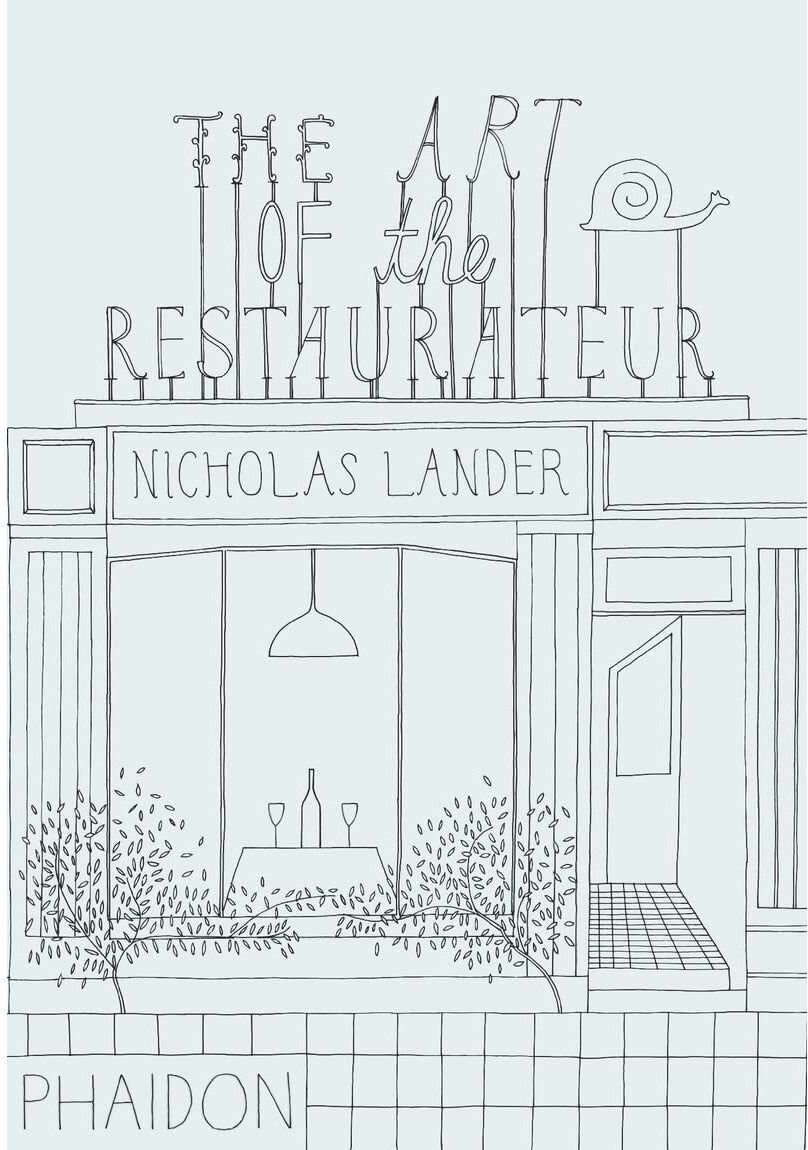
Phaidon Press Ltd The Art Of The RestaurateurThe Art of the Restaurateur presents the compelling stories behind some of the world's best restaurants; and celebrates the complex but unsung art of the restaurateur. In his first ever book; acclaimed Financial Times restaurant critic (and former restaurateur) Nicholas Lander reveals everything you ever wanted to know about the highs and lows of the restaurant business. Every story is fascinating; different; and has something to tell about the creation of a successful restaurant; from finding the right location to deciding what kind of food to serve. Engaging; erudite and packed with insights; the book is a must-read for anyone interested in food especially; of course; anyone who's ever dreamed of opening a restaurant.19,99 £*Shipping: 2,99 £Secure redirect to the provider


-
Are Lebanese people POC?
Lebanese people can be considered people of color (POC) depending on the context and how the term is being used. Lebanon is a diverse country with a mix of ethnicities and cultures, and many Lebanese people have a range of skin tones. In some contexts, Lebanese people may be considered POC due to their non-white or non-European heritage. However, it's important to recognize that racial and ethnic identities are complex and can vary based on individual experiences and perspectives. **
-
Are there Shiite Lebanese people?
Yes, there are Shiite Lebanese people. Shiites make up a significant portion of the population in Lebanon, with estimates suggesting they comprise around 27-35% of the country's population. The Shiite community in Lebanon is predominantly concentrated in the southern part of the country and in the southern suburbs of Beirut. They have their own distinct religious and cultural practices within the broader Lebanese society. **
-
Can Lebanese people understand Moroccan?
Lebanese people and Moroccans both speak different dialects of Arabic, so they may have some difficulty understanding each other at first. However, with some effort and patience, they can usually communicate effectively. Both Lebanese and Moroccan Arabic have unique vocabulary, pronunciation, and expressions, but they share enough similarities that speakers can usually understand each other with some adjustments. Overall, while there may be some initial challenges, Lebanese people can generally understand Moroccan to a certain extent. **
-
Are Arab clans only Lebanese?
No, Arab clans are not only Lebanese. Arab clans can be found in various countries across the Arab world, including but not limited to Syria, Jordan, Iraq, Saudi Arabia, and other countries in the region. These clans often have a strong sense of identity and tradition, and play a significant role in the social and political dynamics of their respective societies. **

Can you translate Lebanese Arabic?
Yes, I can translate Lebanese Arabic. Lebanese Arabic is a dialect of the Arabic language, and I have the ability to understand and translate it into English or any other language. I can help with translating conversations, documents, or any other type of content from Lebanese Arabic to the desired language. **
What does 'hübscher' mean in Lebanese?
In Lebanese, 'hübscher' means "handsome" or "good-looking" when referring to a male individual. It is a term used to compliment someone's appearance or attractiveness. **
Top-Angebote
Products related to Phaidon-Press-The-Lebanese:
-
Phaidon Press The Lebanese CookbookThe definitive book on Lebanese home cooking, featuring 500 authentic and delicious easy-to-make recipes On the shores of the eastern Mediterranean and a gateway to the Middle East, Lebanon has long been regarded as having one of the most refined cuisines in the region, blending textures, and ingredients from a myriad of sources. First published as The Lebanese Kitchen and now back in print under its new title, The Lebanese Cookbook, this is the definitive guide, bringing together hundreds of diverse dishes, from light, tempting mezzes and salads, to hearty main courses, grilled meats, sumptuous sweets, and refreshing drinks.24,95 £*Shipping: 2,99 £Secure redirect to the provider
-
Phaidon Press The Korean CookbookThe Korean Cookbook ONE OF THE BEST COOKBOOKS OF THE YEAR: The Guardian, Vice, Food & Wine, Bon Appetit, Robb Report ‘A sophisticated, flavorful introduction to Korean cooking.’ – Saveur ‘Stunning and comprehensive.’ – Vogue 350 authentic and delicious Korean recipes for the home cook, written by the perfect guides to this extraordinary cuisine – an acclaimed Korean chef and a Korean culinary expert The Korean Cookbook celebrates traditional regional dishes and everyday food found in home kitchens from Seoul to Jeju Island. This stunning collection features more than 350 recipes organized into traditional Korean meals, including pantry staples, fermented foods, rice, vegetable dishes, raw food, noodles, stir-fries, grilled meats, soups, stews, hotpots, noodles, dumplings, porridges, rice cakes, and desserts. Acclaimed Atomix chef JP Park and culinary researcher, chef, and writer Jungyoon Choi share their years of research and expertise, together with their knowledge of the ingredients, culture, and traditions of Korean food in this, the first comprehensive book on Korean home cooking, expansive in breadth and approach and filled with tasty and achievable authentic recipes for the home cook.24,99 £*Shipping: 2,99 £Secure redirect to the provider
-
Phaidon Press Ltd Thailand The CookbookThailand: The Cookbook is the definitive guide to the food and cooking of Thailand. It includes more than 500 easy-to-follow, authentic recipes collected from the length and breadth of Thailand, including snacks and drinks; soups; salads; curries; stir-fries; noodle and rice dishes; grilled fish and meat dishes; and desserts. The recipes have been extensively researched, tested and fully updated for the western kitchen without diluting any of their authenticity.22,99 £*Shipping: 2,99 £Secure redirect to the provider
-
Phaidon Press Ltd Breakfast: The CookbookStart the day with the definitive cookbook of authentic home-cooking breakfast dishes from around the world. Breakfast is the most important – and comforting – time of day for billions of people everywhere. Here, for the first time, a collection of hundreds of home-cooking recipes celebrates morning meals as they're prepared in kitchens across the globe. Each recipe is accessible and straightforward, with notes offering cultural context and culinary insight. Whether it's sweet or not, classic or regional, it's here: Egyptian Ful Medames (stewed fava beans); Mexican Chilaquiles; Chinese Pineapple Buns; American Scones; Scottish Morning Rolls; and so much more. Featuring contributions from Reem Kassis, Bill Granger, Jason Hammel, Stephen Harris, Clotilde Dusoulier, Harumi Kurihara, Meera Sodha, Alvin Cailan, Fredrik Berselius, and Manoella Buffara.22,99 £*Shipping: 2,99 £Secure redirect to the provider
-
What is the Lebanese language?
The Lebanese language is a variety of Arabic that is spoken in Lebanon. It is influenced by other languages such as French, English, and Turkish, due to Lebanon's history of colonization and international influence. Lebanese Arabic has its own unique vocabulary, pronunciation, and expressions that set it apart from other varieties of Arabic. It is the most widely spoken language in Lebanon and is used in everyday communication, media, and literature. **
-
Are Lebanese people Arabs?
Yes, Lebanese people are considered to be Arabs. The majority of the population in Lebanon is of Arab descent and the official language is Arabic. Additionally, Lebanon is a member of the Arab League and shares many cultural, linguistic, and historical ties with other Arab countries. However, it is important to note that Lebanon is also a diverse country with various ethnic and religious groups, so not all Lebanese people may identify solely as Arab. **
-
Are Lebanese people POC?
Lebanese people can be considered people of color (POC) depending on the context and how the term is being used. Lebanon is a diverse country with a mix of ethnicities and cultures, and many Lebanese people have a range of skin tones. In some contexts, Lebanese people may be considered POC due to their non-white or non-European heritage. However, it's important to recognize that racial and ethnic identities are complex and can vary based on individual experiences and perspectives. **
-
Are there Shiite Lebanese people?
Yes, there are Shiite Lebanese people. Shiites make up a significant portion of the population in Lebanon, with estimates suggesting they comprise around 27-35% of the country's population. The Shiite community in Lebanon is predominantly concentrated in the southern part of the country and in the southern suburbs of Beirut. They have their own distinct religious and cultural practices within the broader Lebanese society. **
Similar search terms for Phaidon-Press-The-Lebanese
-
Phaidon Press The Silver Spoon ClassicA luxurious collection of the best recipes from the world's leading Italian cookbook - with all new photography and design. First published in 1950, Il Cucchiaio d'Argento, or its English-language offspring The Silver Spoon, is the ultimate compilation of traditional home-cooking Italian dishes. In this all-new luxurious book, The Silver Spoon Classic features 170 of the very best-of-the-best recipes from Italy's incredibly diverse regions. Carefully selected from Phaidon's Silver Spoon cookbooks, which have sold more than one million copies worldwide, this new collection features exquisite photography of the dishes, is replete with elegant double ribbons for easy reference, and a sumptuous design and package, which makes for an ideal gift or keepsake for the amateur and serious chef. With dishes for all tastes and seasons, The Silver Spoon Classic is the definitive guide to preparing the most important, authentic, and delicious Italian recipes.24,95 £*Shipping: 2,99 £Secure redirect to the provider
-
Phaidon Press Ltd The Art Of The RestaurateurThe Art of the Restaurateur presents the compelling stories behind some of the world's best restaurants; and celebrates the complex but unsung art of the restaurateur. In his first ever book; acclaimed Financial Times restaurant critic (and former restaurateur) Nicholas Lander reveals everything you ever wanted to know about the highs and lows of the restaurant business. Every story is fascinating; different; and has something to tell about the creation of a successful restaurant; from finding the right location to deciding what kind of food to serve. Engaging; erudite and packed with insights; the book is a must-read for anyone interested in food especially; of course; anyone who's ever dreamed of opening a restaurant.19,99 £*Shipping: 2,99 £Secure redirect to the provider
-
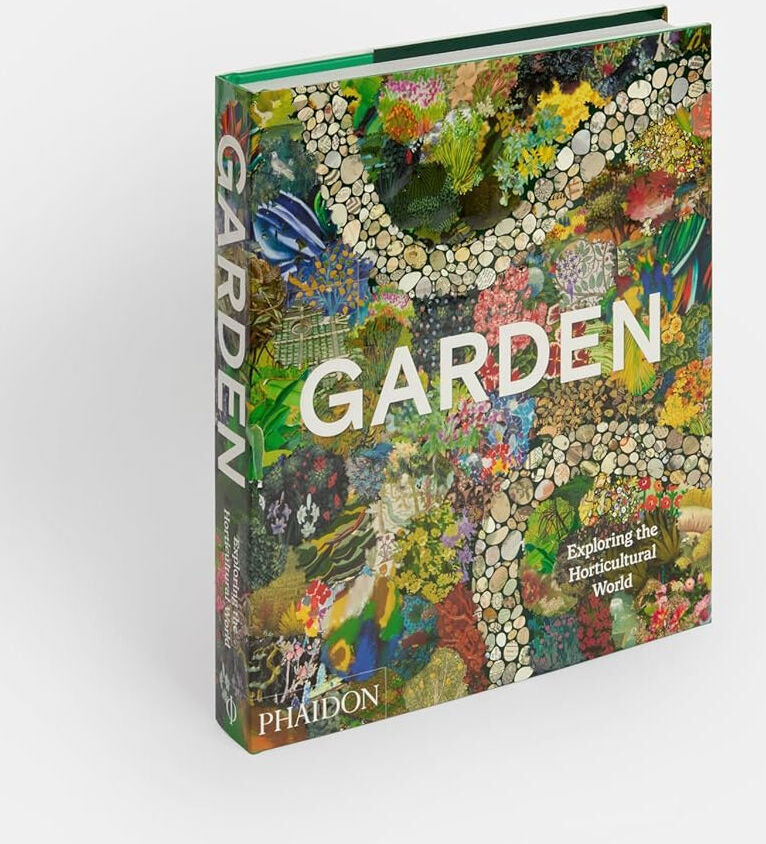
Phaidon Press Garden: Exploring the Horticultural WorldWinner of the Council on Botanical and Horticultural Libraries 2025 Award of Excellence in Series As seen in The New York Times, NPR.org, Gardens Illustrated, and AD Pro A richly illustrated survey celebrating humankind’s enduring relationship with the garden, explored throughout art, science, history, and culture Garden takes readers on a journey across continents and cultures to discover the endless ways artists and image-makers have found inspiration in gardens and horticulture throughout history. With more than 300 entries, this comprehensive and stunning visual survey showcases the diversity of the garden from all over the world – from the garden of Eden and the grandeur of the English landscape garden to Japanese Zen gardens and the humble vegetable plot. Spanning a wide range of styles and media – art, illustrations, and sculptures to photography, film stills, and textiles – Garden follows a visually arresting sequence, with works, regardless of period, thoughtfully paired, and features large-scale images, accessible texts, and reference information, including a glossary, illustrated timeline, and biographies. Offering a comprehensive introduction to the subject, Garden features work by a diverse range of both lesser-known and iconic artists, including Pierre Bonnard, Roberto Burle Marx, Lucas Cranach the Elder, Gertrude Jekyll, Claude Monet, Marianne North, Crispijn de Passe, William Robinson, Alma Thomas, and Howard Sooley, among others, including a variety of surprising examples that will appeal to specialists as well as the general reader. Aimed at a wide audience, this book has diverse appeal – from artists, designers, and art historians to garden enthusiasts, horticulturists, and everyone interested in the natural world around them.27,99 £*Shipping: 2,99 £Secure redirect to the provider
-
Phaidon Press Plant: Exploring the Botanical WorldThe ultimate gift for gardeners and art-lovers, featuring 300 of the most beautiful and pioneering botanical images ever. Following in the footsteps of the international bestseller Map: Exploring the World, this fresh and visually stunning survey celebrates the extraordinary beauty and diversity of plants. It combines photographs and cutting-edge micrograph scans with watercolours, drawings, and prints to bring this universally popular and captivating subject vividly to life. Carefully selected by an international panel of experts and arranged in a uniquely structured sequence to highlight thought-provoking contrasts and similarities, this stunning compilation of botanically themed images includes iconic work by celebrated artists, photographers, scientists, and botanical illustrators, as well as rare and previously unpublished images.26,99 £*Shipping: 2,99 £Secure redirect to the provider
-
Can Lebanese people understand Moroccan?
Lebanese people and Moroccans both speak different dialects of Arabic, so they may have some difficulty understanding each other at first. However, with some effort and patience, they can usually communicate effectively. Both Lebanese and Moroccan Arabic have unique vocabulary, pronunciation, and expressions, but they share enough similarities that speakers can usually understand each other with some adjustments. Overall, while there may be some initial challenges, Lebanese people can generally understand Moroccan to a certain extent. **
-
Are Arab clans only Lebanese?
No, Arab clans are not only Lebanese. Arab clans can be found in various countries across the Arab world, including but not limited to Syria, Jordan, Iraq, Saudi Arabia, and other countries in the region. These clans often have a strong sense of identity and tradition, and play a significant role in the social and political dynamics of their respective societies. **
-
Can you translate Lebanese Arabic?
Yes, I can translate Lebanese Arabic. Lebanese Arabic is a dialect of the Arabic language, and I have the ability to understand and translate it into English or any other language. I can help with translating conversations, documents, or any other type of content from Lebanese Arabic to the desired language. **
-
What does 'hübscher' mean in Lebanese?
In Lebanese, 'hübscher' means "handsome" or "good-looking" when referring to a male individual. It is a term used to compliment someone's appearance or attractiveness. **
* All prices are inclusive of VAT and, if applicable, plus shipping costs. The offer information is based on the details provided by the respective shop and is updated through automated processes. Real-time updates do not occur, so deviations can occur in individual cases. ** Note: Parts of this content were created by AI.