Buy smart-parking.eu ?
We are moving the project
smart-parking.eu .
Are you interested in purchasing the domain
smart-parking.eu ?
domain@kv-gmbh.de · 0541-91531010
Buy smart-parking.eu ?
What is the aptitude test for the profession of automation technology electronics technician?
The aptitude test for the profession of automation technology electronics technician typically assesses a candidate's understanding of technical concepts, problem-solving skills, and ability to work with electronic components. It may include questions related to electrical circuits, digital electronics, programming languages, and troubleshooting techniques. Candidates may also be required to demonstrate their practical skills through hands-on tasks or simulations. Overall, the test aims to evaluate the candidate's suitability for the role by assessing their technical knowledge and practical abilities in the field of automation technology. **
In which paragraph and law is the Smart parking technology prohibited?
The Smart parking technology is prohibited in paragraph 2 of the law on parking regulations. This paragraph specifically states that the use of any technology that allows for the reservation or purchase of parking spaces in advance is prohibited. Therefore, Smart parking technology, which typically allows for the reservation of parking spaces through a mobile app or other means, would be prohibited under this law. **

Similar search terms for Test
Top-Angebote
Products related to Test:

-
"Are multiple attempts allowed during the parking test?"
Yes, multiple attempts are usually allowed during the parking test. If you make a mistake or fail to complete a maneuver, the examiner may allow you to try again. However, it's important to remember that each driving test location may have its own specific rules and policies regarding multiple attempts, so it's best to check with the testing center beforehand. **
-
What is the aptitude test for the profession of automation electronics technician?
The aptitude test for the profession of automation electronics technician typically assesses an individual's understanding of electrical circuits, electronic components, and troubleshooting techniques. It may also include questions related to programming languages, automation systems, and control systems. Additionally, the test may evaluate problem-solving skills, attention to detail, and the ability to work with complex machinery and equipment. Overall, the aptitude test aims to determine if a candidate has the necessary technical knowledge and skills required for the role of an automation electronics technician. **
-
Is the technical diploma in automation technology difficult?
The difficulty of the technical diploma in automation technology can vary depending on the individual's background, experience, and aptitude for the subject matter. Some students may find the coursework challenging due to the complex concepts and technical skills required, while others with a strong foundation in math, science, and technology may find it more manageable. Overall, dedication, hard work, and a genuine interest in automation technology can help students succeed in completing the program. **
-
Is the electronics technician for automation technology difficult?
Becoming an electronics technician for automation technology can be challenging, as it requires a strong understanding of electrical systems, programming, and automation technology. The field is constantly evolving, so technicians must stay updated on the latest advancements and technologies. However, with dedication and the right training, individuals can develop the skills and knowledge needed to succeed in this role. It may be difficult at times, but the opportunities for growth and the potential to work on cutting-edge technology make it a rewarding career choice for those passionate about automation. **
How are electronics technicians trained for automation technology?
Electronics technicians are trained for automation technology through a combination of formal education and on-the-job training. They typically complete a post-secondary program in electronics or a related field, where they learn about electrical circuits, digital electronics, and control systems. Additionally, they receive specialized training in automation technology, which includes learning about programmable logic controllers (PLCs), industrial robotics, and process control systems. This training may also involve hands-on experience with automation equipment and systems in a lab or industrial setting. Overall, electronics technicians are trained to understand and troubleshoot the complex systems used in automation technology. **
With which symbols can efficiency and optimization be represented?
Efficiency and optimization can be represented by symbols such as a lightbulb for efficiency, a magnifying glass for optimization, and an arrow pointing upwards for improvement. These symbols visually convey the concepts of streamlining processes, maximizing output, and enhancing performance. They are commonly used in presentations, infographics, and diagrams to communicate the importance of efficiency and optimization in various contexts. **
Top-Angebote
Products related to Test:
-
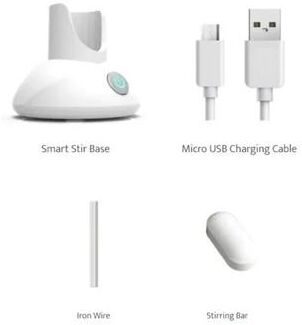
Uplift Essentials Smart Stir Magnetic Suspension Test Agent Stirrer smart StirRevolutionize your aquarium water testing routine with the Smart Stir, a pinnacle of creative innovation designed for simplicity and precision. This advanced tool utilizes magnetic suspension technology to automatically mix your water samples and...179,97 $*Shipping: 0,00 $Secure redirect to the provider
-
What is the aptitude test for the profession of automation technology electronics technician?
The aptitude test for the profession of automation technology electronics technician typically assesses a candidate's understanding of technical concepts, problem-solving skills, and ability to work with electronic components. It may include questions related to electrical circuits, digital electronics, programming languages, and troubleshooting techniques. Candidates may also be required to demonstrate their practical skills through hands-on tasks or simulations. Overall, the test aims to evaluate the candidate's suitability for the role by assessing their technical knowledge and practical abilities in the field of automation technology. **
-
In which paragraph and law is the Smart parking technology prohibited?
The Smart parking technology is prohibited in paragraph 2 of the law on parking regulations. This paragraph specifically states that the use of any technology that allows for the reservation or purchase of parking spaces in advance is prohibited. Therefore, Smart parking technology, which typically allows for the reservation of parking spaces through a mobile app or other means, would be prohibited under this law. **
-
"Are multiple attempts allowed during the parking test?"
Yes, multiple attempts are usually allowed during the parking test. If you make a mistake or fail to complete a maneuver, the examiner may allow you to try again. However, it's important to remember that each driving test location may have its own specific rules and policies regarding multiple attempts, so it's best to check with the testing center beforehand. **
-
What is the aptitude test for the profession of automation electronics technician?
The aptitude test for the profession of automation electronics technician typically assesses an individual's understanding of electrical circuits, electronic components, and troubleshooting techniques. It may also include questions related to programming languages, automation systems, and control systems. Additionally, the test may evaluate problem-solving skills, attention to detail, and the ability to work with complex machinery and equipment. Overall, the aptitude test aims to determine if a candidate has the necessary technical knowledge and skills required for the role of an automation electronics technician. **
Similar search terms for Test
-
Is the technical diploma in automation technology difficult?
The difficulty of the technical diploma in automation technology can vary depending on the individual's background, experience, and aptitude for the subject matter. Some students may find the coursework challenging due to the complex concepts and technical skills required, while others with a strong foundation in math, science, and technology may find it more manageable. Overall, dedication, hard work, and a genuine interest in automation technology can help students succeed in completing the program. **
-
Is the electronics technician for automation technology difficult?
Becoming an electronics technician for automation technology can be challenging, as it requires a strong understanding of electrical systems, programming, and automation technology. The field is constantly evolving, so technicians must stay updated on the latest advancements and technologies. However, with dedication and the right training, individuals can develop the skills and knowledge needed to succeed in this role. It may be difficult at times, but the opportunities for growth and the potential to work on cutting-edge technology make it a rewarding career choice for those passionate about automation. **
-
How are electronics technicians trained for automation technology?
Electronics technicians are trained for automation technology through a combination of formal education and on-the-job training. They typically complete a post-secondary program in electronics or a related field, where they learn about electrical circuits, digital electronics, and control systems. Additionally, they receive specialized training in automation technology, which includes learning about programmable logic controllers (PLCs), industrial robotics, and process control systems. This training may also involve hands-on experience with automation equipment and systems in a lab or industrial setting. Overall, electronics technicians are trained to understand and troubleshoot the complex systems used in automation technology. **
-
With which symbols can efficiency and optimization be represented?
Efficiency and optimization can be represented by symbols such as a lightbulb for efficiency, a magnifying glass for optimization, and an arrow pointing upwards for improvement. These symbols visually convey the concepts of streamlining processes, maximizing output, and enhancing performance. They are commonly used in presentations, infographics, and diagrams to communicate the importance of efficiency and optimization in various contexts. **
* All prices are inclusive of VAT and, if applicable, plus shipping costs. The offer information is based on the details provided by the respective shop and is updated through automated processes. Real-time updates do not occur, so deviations can occur in individual cases. ** Note: Parts of this content were created by AI.