Buy smart-parking.eu ?
We are moving the project
smart-parking.eu .
Are you interested in purchasing the domain
smart-parking.eu ?
domain@kv-gmbh.de · 0541-91531010
Buy smart-parking.eu ?
Is XMP dangerous?
XMP (eXtensible Metadata Platform) itself is not dangerous. It is a standard format for embedding metadata into digital documents and files. However, like any technology, it can be misused or exploited for malicious purposes. For example, if a hacker were to manipulate XMP metadata to conceal malware or phishing links within a file, it could pose a security risk. Therefore, it is important to be cautious when handling files with XMP metadata and to use reliable security measures to protect against potential threats. **
Should I choose 16 GB with XMP or 32 GB without XMP?
The decision between 16 GB with XMP or 32 GB without XMP depends on your specific needs. If you require higher performance and are involved in tasks like gaming, video editing, or graphic design, then 16 GB with XMP may be the better choice as XMP can enhance memory performance. However, if you prioritize having more memory for multitasking, running virtual machines, or other memory-intensive tasks, then 32 GB without XMP could be more beneficial. Consider your usage patterns and requirements to make the best decision for your needs. **


Similar search terms for Xmp
Top-Angebote
Products related to Xmp:
-
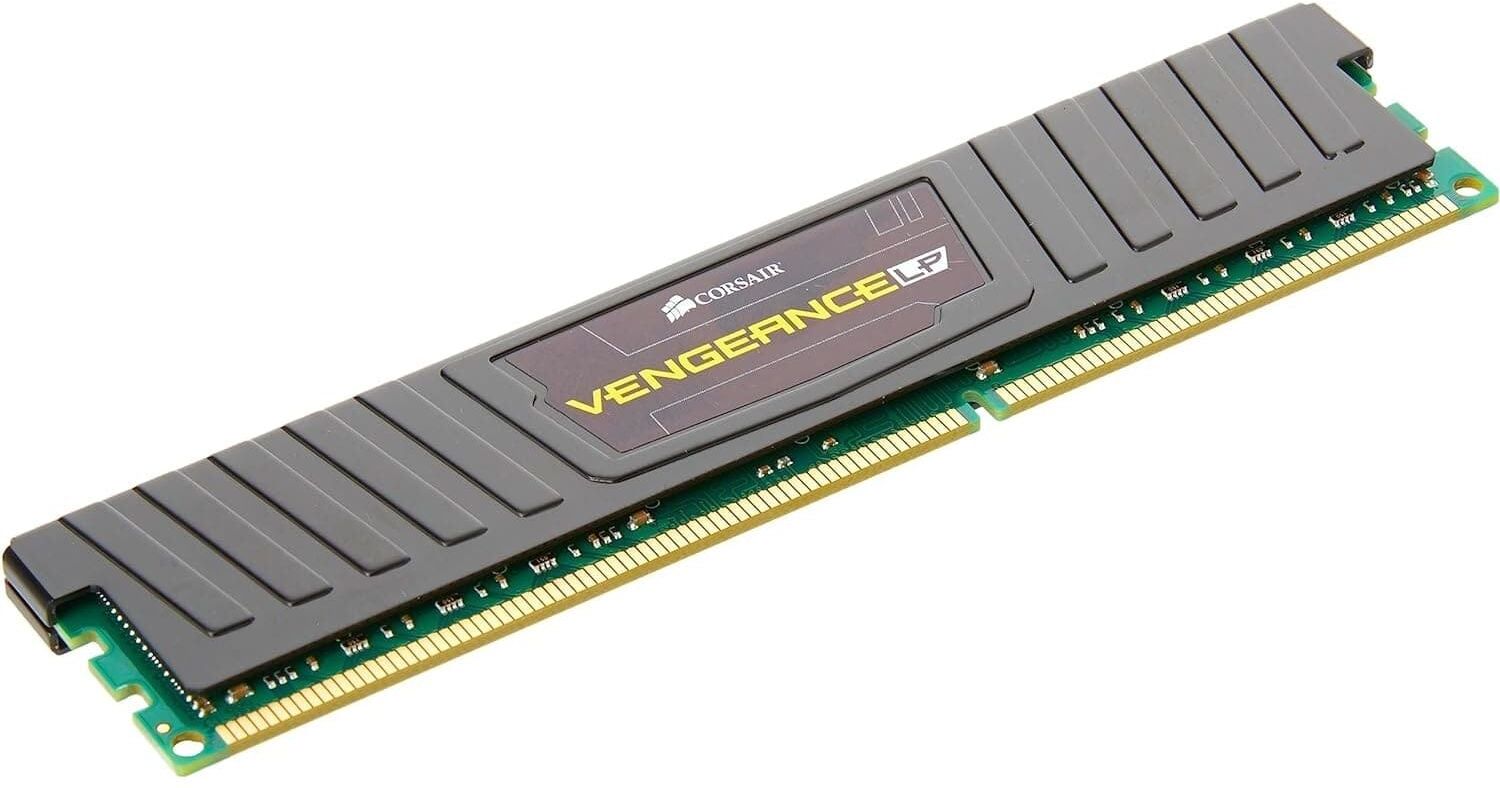
Corsair CML8GX3M1A1600C10 Vengeance Low Profile 8GB (1x8GB) DDR3 1600 Mhz CL10 XMP Performance Desktop Memory Module BlackBrand Corsair Product Dimensions 15.24 x 1.6 x 7.62 cm; 45 Grams Item model number CML8GX3M1A1600C10 Manufacturer Corsair Colour Black Form Factor 240-pin DIMM RAM Size 8 GB Memory Technology A8 Computer Memory Type DDR3 SDRAM Memory Clock Speed 1600 MHz Voltage 1.5 Volts Operating System Microsoft Are Batteries Included No Item Weight 45 g33,99 £*Shipping: 0,00 £Secure redirect to the provider
-
What is the difference between the memory profile XMP 1.0 and XMP 2.0?
The main difference between XMP 1.0 and XMP 2.0 is the level of performance and compatibility they offer. XMP 1.0 is an older version that provides basic memory profiles for overclocking and performance tuning. On the other hand, XMP 2.0 is a newer version that offers more advanced memory profiles, allowing for higher frequencies and tighter timings, as well as improved compatibility with a wider range of motherboards and processors. Overall, XMP 2.0 provides better performance and flexibility compared to XMP 1.0. **
-
What is an XMP 2?
XMP 2 (Extreme Memory Profile 2) is a technology developed by Intel that allows users to easily overclock their computer's memory modules for improved performance. XMP 2 automatically adjusts the memory settings to run at higher speeds than the default specifications set by the manufacturer, without the need for manual adjustments in the BIOS. This feature is commonly used by gamers, content creators, and other power users looking to maximize their system's performance. **
-
How do I activate XMP?
To activate XMP (Extreme Memory Profile) on your computer, you will need to access your computer's BIOS settings. Restart your computer and enter the BIOS by pressing the designated key (often Del, F2, or F10) during startup. Once in the BIOS, navigate to the memory settings and look for the XMP option. Enable XMP and save your changes before exiting the BIOS. Your computer will now use the optimized memory settings specified in the XMP profile. **
-
Why can't you activate XMP?
You may not be able to activate XMP (Extreme Memory Profile) on your computer if your motherboard does not support it or if your RAM modules are not compatible with XMP. Additionally, some BIOS settings may need to be adjusted in order to enable XMP. It's also possible that there may be a hardware issue with your RAM modules or motherboard that is preventing XMP from being activated. It's important to check your motherboard's specifications and ensure that your RAM modules are XMP-compatible before attempting to activate XMP. **
Does activating XMP improve performance?
Yes, activating XMP (eXtreme Memory Profile) can improve performance in certain situations. XMP allows the memory modules to run at their rated speeds, which can result in faster data transfer rates and improved overall system performance. However, the extent of the performance improvement will depend on the specific hardware and software being used, as well as the tasks being performed. It's important to note that enabling XMP may also increase power consumption and heat generation, so it's important to monitor system temperatures and stability after activating XMP. **
Why isn't my XMP working?
Your XMP (Extreme Memory Profile) may not be working for a few reasons. First, make sure that your motherboard and CPU support XMP. If they do, ensure that you have enabled XMP in your BIOS settings. Additionally, check that your RAM modules are compatible with XMP and that they are properly seated in the motherboard. If you have overclocked your CPU or RAM, it may also be causing issues with XMP, so try resetting to default settings. If you have tried all of these steps and XMP still isn't working, there may be a hardware issue with your components. **
Top-Angebote
Products related to Xmp:
-
Kingston Technology FURY 32GB 6400MT/s DDR5 CL38 SODIMM (Kit of 2) Impact XMPYour notebook or small-form-factor machine can now experience the latest, cutting-edge memory technology with Kingston FURY™ Impact DDR5. With Intel® XMP 3.0 Certified SODIMM kit capacities of up to 64GB, Kingston FURY Impact DDR5 packs all the enhanced features of DDR5 into a slim, compact form factor. On Plug N Play* enabled modules, Kingston FURY Impact DDR5 automatically overclocks, giving your system a boost in performance without having to enable a profile. Modules featuring XMP 3.0 profiles can overclock to the highest frequency published, up to 6400MT/s, by selecting the profile in BIOS settings.Mighty DDR5 SODIMM performanceWith a starting speed of 4800MT/s, DDR5 is 50% faster than DDR4 for a boost in gaming, rendering, and multitasking.Plug N Play automatic overclocking functionality* Kingston FURY Impact DDR5’s PnP modules automatically overclock to the highest listed speed.Intel® XMP 3.0 Certified Maximise memory performance with advanced pre-optimised timings, speed and voltage for overclocking.Low Power Consumption, Increased efficiencyKeep your system cool and efficient with Kingston FURY Impact DDR5’s low power draw.Improved stability with on-die ECCMaintain data integrity while hitting overclocking speeds.683,99 £*Shipping: 0,00 £Secure redirect to the provider
-
Kingston Technology FURY Renegade Black KF432C16RB12K2/32 32GB (2 x 16GB) 3200MT/s DDR4 CL16 1Gx8 DIMM (Kit of 2) XMP Desktop RAMEnhance AMD- or Intel-based systems with ultra-fast Kingston FURY™ Renegade DDR4 memory, ensuring you maintain peak performance levels. Combine speeds of up to 5333MT/s with quick CL16-CL20 timings to increase frame rate, keep streams smooth and edit all your content in a flash. The bold, two-tone black heat spreader with black PCB not only adds a touch of style but also manages heat while tackling heavy workloads. Available in single module capacities of 8GB–32GB and kits of 2, 4 and 8 with capacities of 16GB–256GB. Kingston FURY Renegade DDR4 is Ready for AMD Ryzen, Intel® XMP Certified and XMP Ready. You’re ready to go with profiles that are optimised for AMD and Intel’s latest chipsets.High speeds plus low latencies for extreme performanceWith speeds of up to 5333MT/s paired with quick CL16–CL20 timings to help your AMD- or Intel-based system power through games, video editing and broadcasting, is the prime choice to meet demands.Intel® XMP Certified or ReadyIntel Extreme Memory Profile technology makes it possible to overclock with ease. Select one of the built-in, hand-tuned profiles in your BIOS to get the benefits of overclocking without having to manually adjust the memory timings yourself.Ready for AMD RyzenGet memory that’s Ready for Ryzen and will seamlessly integrate with your AMD-based system. A reliable, compatible performance boost for your build.Intense black aluminium heat spreaderThe two-tone black aluminium heat spreader and black PCB keep your rig running and looking sharp.411,99 £*Shipping: 0,00 £Secure redirect to the provider
-
Corsair CML8GX3M1A1600C10 Vengeance Low Profile 8GB (1x8GB) DDR3 1600 Mhz CL10 XMP Performance Desktop Memory Module BlackBrand Corsair Product Dimensions 15.24 x 1.6 x 7.62 cm; 45 Grams Item model number CML8GX3M1A1600C10 Manufacturer Corsair Colour Black Form Factor 240-pin DIMM RAM Size 8 GB Memory Technology A8 Computer Memory Type DDR3 SDRAM Memory Clock Speed 1600 MHz Voltage 1.5 Volts Operating System Microsoft Are Batteries Included No Item Weight 45 g33,99 £*Shipping: 0,00 £Secure redirect to the provider
-
Is XMP dangerous?
XMP (eXtensible Metadata Platform) itself is not dangerous. It is a standard format for embedding metadata into digital documents and files. However, like any technology, it can be misused or exploited for malicious purposes. For example, if a hacker were to manipulate XMP metadata to conceal malware or phishing links within a file, it could pose a security risk. Therefore, it is important to be cautious when handling files with XMP metadata and to use reliable security measures to protect against potential threats. **
-
Should I choose 16 GB with XMP or 32 GB without XMP?
The decision between 16 GB with XMP or 32 GB without XMP depends on your specific needs. If you require higher performance and are involved in tasks like gaming, video editing, or graphic design, then 16 GB with XMP may be the better choice as XMP can enhance memory performance. However, if you prioritize having more memory for multitasking, running virtual machines, or other memory-intensive tasks, then 32 GB without XMP could be more beneficial. Consider your usage patterns and requirements to make the best decision for your needs. **
-
What is the difference between the memory profile XMP 1.0 and XMP 2.0?
The main difference between XMP 1.0 and XMP 2.0 is the level of performance and compatibility they offer. XMP 1.0 is an older version that provides basic memory profiles for overclocking and performance tuning. On the other hand, XMP 2.0 is a newer version that offers more advanced memory profiles, allowing for higher frequencies and tighter timings, as well as improved compatibility with a wider range of motherboards and processors. Overall, XMP 2.0 provides better performance and flexibility compared to XMP 1.0. **
-
What is an XMP 2?
XMP 2 (Extreme Memory Profile 2) is a technology developed by Intel that allows users to easily overclock their computer's memory modules for improved performance. XMP 2 automatically adjusts the memory settings to run at higher speeds than the default specifications set by the manufacturer, without the need for manual adjustments in the BIOS. This feature is commonly used by gamers, content creators, and other power users looking to maximize their system's performance. **
Similar search terms for Xmp
-
How do I activate XMP?
To activate XMP (Extreme Memory Profile) on your computer, you will need to access your computer's BIOS settings. Restart your computer and enter the BIOS by pressing the designated key (often Del, F2, or F10) during startup. Once in the BIOS, navigate to the memory settings and look for the XMP option. Enable XMP and save your changes before exiting the BIOS. Your computer will now use the optimized memory settings specified in the XMP profile. **
-
Why can't you activate XMP?
You may not be able to activate XMP (Extreme Memory Profile) on your computer if your motherboard does not support it or if your RAM modules are not compatible with XMP. Additionally, some BIOS settings may need to be adjusted in order to enable XMP. It's also possible that there may be a hardware issue with your RAM modules or motherboard that is preventing XMP from being activated. It's important to check your motherboard's specifications and ensure that your RAM modules are XMP-compatible before attempting to activate XMP. **
-
Does activating XMP improve performance?
Yes, activating XMP (eXtreme Memory Profile) can improve performance in certain situations. XMP allows the memory modules to run at their rated speeds, which can result in faster data transfer rates and improved overall system performance. However, the extent of the performance improvement will depend on the specific hardware and software being used, as well as the tasks being performed. It's important to note that enabling XMP may also increase power consumption and heat generation, so it's important to monitor system temperatures and stability after activating XMP. **
-
Why isn't my XMP working?
Your XMP (Extreme Memory Profile) may not be working for a few reasons. First, make sure that your motherboard and CPU support XMP. If they do, ensure that you have enabled XMP in your BIOS settings. Additionally, check that your RAM modules are compatible with XMP and that they are properly seated in the motherboard. If you have overclocked your CPU or RAM, it may also be causing issues with XMP, so try resetting to default settings. If you have tried all of these steps and XMP still isn't working, there may be a hardware issue with your components. **
* All prices are inclusive of VAT and, if applicable, plus shipping costs. The offer information is based on the details provided by the respective shop and is updated through automated processes. Real-time updates do not occur, so deviations can occur in individual cases. ** Note: Parts of this content were created by AI.